
When Hearing And Appearance Matter: ENT And Otoplasty In Harmony
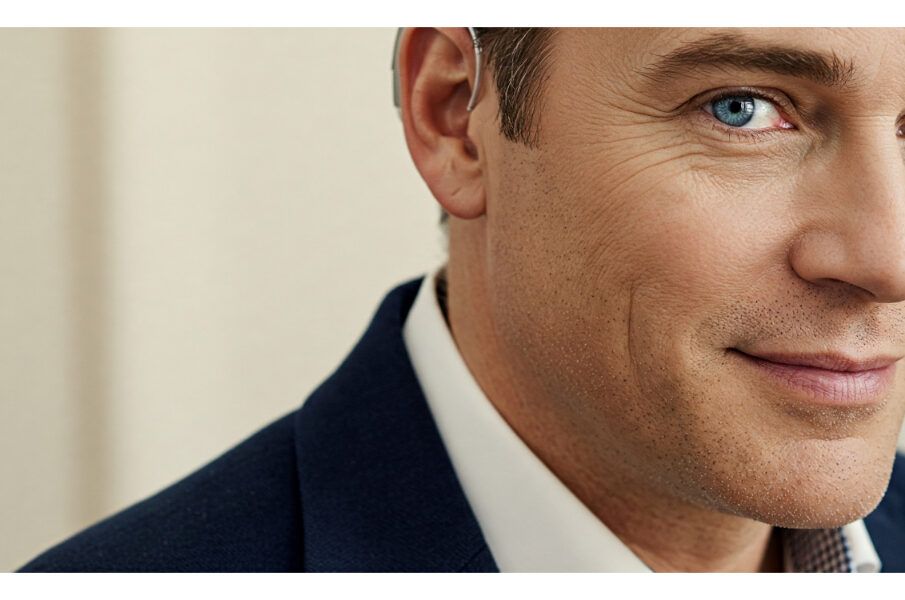
Ear, Nose, and Throat (ENT) specialists, or otolaryngologists, diagnose and treat a wide range of conditions affecting the ears, nose, throat, and related areas of the head and neck. Their expertise spans both medical and surgical care, making them essential for managing everything from sinus infections and hearing loss to more complex issues like balance disorders and throat cancers.
ENT specialists take a holistic approach, understanding how interconnected systems impact overall health. They use advanced diagnostic tools to identify root causes and develop personalized treatment plans that improve function and quality of life.
Often working alongside audiologists, speech therapists, and plastic surgeons, ENT doctors provide comprehensive care, especially for conditions with both functional and cosmetic aspects. Their collaborative, specialized care helps patients achieve optimal health and well-being.
The Importance Of Ear Aesthetics In Overall Health
The appearance of the ears can greatly affect self-image, especially when they are prominent or asymmetrical. This can lead to self-consciousness, social anxiety, and, in younger individuals, even bullying. Otoplasty offers a solution that can ease emotional distress and boost confidence.
In many cultures, facial balance is linked to attractiveness and social success. Enhancing ear aesthetics not only improves appearance but can also support mental health and self-esteem.
Functionally, ears that protrude may cause discomfort with headgear or headphones. Surgical correction can improve both form and daily comfort, making otoplasty a meaningful option for those seeking both aesthetic and practical benefits.
What Is Otoplasty? An Overview Of Ear Surgery
Otoplasty is a cosmetic procedure that reshapes, repositions, or resizes the ears, often to correct protrusion, asymmetry, or deformities. Though primarily aesthetic, it can greatly boost confidence and self-image.
Motivations for otoplasty range from congenital issues to injuries or personal dissatisfaction with ear shape. The procedure is highly personalized, tailored to match facial features and individual goals.
Typically done on an outpatient basis, otoplasty has a relatively quick recovery, with most patients resuming normal activities within one to two weeks. When performed by a skilled surgeon, it delivers natural-looking, lasting results that enhance both appearance and self-esteem.
Otoplasty Procedures: Techniques And Expectations
Otoplasty employs several surgical techniques to reshape the ear cartilage and enhance the ear’s contour. The most common approach involves making incisions behind the ear, which helps minimize visible scarring. Surgeons use sutures to secure the cartilage in its new position, ensuring the shape is maintained over time. The procedure is highly customizable, tailored to each patient’s unique ear anatomy and aesthetic goals.
During the initial consultation, the surgeon carefully evaluates the ear’s structure and discusses the desired outcomes with the patient. This is also the time to set realistic expectations, explain potential risks, and answer any questions. Patients receive comprehensive instructions on pre-operative preparations and post-operative care to promote a smooth recovery.
Recovery from otoplasty is generally straightforward. Patients may experience mild discomfort and swelling during the first few days, which can be managed effectively with prescribed medication. Most individuals can return to their normal daily activities within a few weeks. The results are often long-lasting, leading to significant improvements in ear appearance and a boost in self-confidence.
Common Conditions Treated By ENT Specialists
ENT specialists diagnose and treat a wide range of conditions, including chronic sinusitis, sleep apnea, tonsillitis, and hearing loss—issues that can significantly affect daily life and well-being.
Ear problems like infections, tinnitus, and vertigo are also a major focus. Using tools such as audiometry and imaging, ENT specialists create personalized treatment plans that may include medication, lifestyle changes, or surgery.
Beyond medical care, they also perform procedures like septoplasty and rhinoplasty, addressing both functional and aesthetic concerns. Their ability to treat structural issues while enhancing appearance highlights their critical role in comprehensive patient care.
Benefits Of Combining ENT Care With Otoplasty
Merging ENT expertise with otoplasty provides patients with both functional and aesthetic benefits. This dual approach allows for the correction of cosmetic concerns, such as protruding or misshapen ears, while simultaneously treating underlying medical issues like hearing loss, chronic infections, or balance problems.
One major advantage is efficiency. Patients can often address multiple concerns during a single procedure, reducing downtime and the risks associated with multiple surgeries. For example, an individual may undergo otoplasty while also receiving treatment for middle ear conditions, enhancing both appearance and auditory function.
This collaboration between ENT specialists and plastic surgeons results in more thorough care. By considering both structure and health, patients often experience improved comfort, better hearing aid fit, and higher confidence.
Ultimately, the integration of ENT care and otoplasty leads to more complete and lasting outcomes, improving not just how patients look, but how they live.
Choosing The Right Specialist For ENT and Otoplasty
Finding the right specialist is key to achieving the best results in both ENT treatments and otoplasty. Patients should look for board-certified otolaryngologists and plastic surgeons with proven experience in ear-related procedures. Verifying credentials, training, and professional affiliations helps ensure expertise. Reviewing before-and-after photos of past patients provides insight into the surgeon’s skill and aesthetic style.
The consultation is a crucial step—use it to discuss your goals and concerns openly. A good specialist will listen carefully, explain the procedure clearly, discuss potential risks and recovery expectations, and answer all your questions. Feeling comfortable with your surgeon builds trust and supports a positive treatment experience.
Practical factors also matter. Consider the location of the practice and how accessible it is for pre- and post-operative visits. Make sure the surgeon provides reliable follow-up care and is available to address any issues during recovery. By weighing these aspects carefully, you can select a specialist who meets both your medical needs and personal preferences.
The Intersection Of Hearing And Aesthetic Concerns
Hearing and appearance are closely connected in ENT care. Protruding ears, for example, can interfere with the fit and comfort of hearing aids, making otoplasty a solution that improves both aesthetics and device function.
Conditions like microtia affect both ear shape and hearing. In such cases, ENT specialists work with plastic surgeons to restore form and function through reconstructive surgery.
Aesthetic concerns can also affect how willing patients are to use hearing devices. By addressing these concerns, specialists improve both treatment adherence and patient confidence, underscoring the value of a holistic, multidisciplinary approach.
Conclusion: The Harmonious Balance Of Hearing And Appearance
The harmonious balance of hearing and appearance underscores the transformative potential of combining ENT care with otoplasty. This integrated approach addresses both functional and aesthetic concerns, offering patients a pathway to improved health, confidence, and quality of life. By considering the interconnectedness of these elements, specialists can develop comprehensive treatment plans that cater to the whole person, rather than focusing on isolated symptoms or issues.
The stories of patients who have undergone otoplasty highlight the profound impact this procedure can have, not only in terms of physical transformation but also in fostering emotional well-being and social confidence. These experiences illustrate the importance of addressing both the visible and invisible aspects of health, emphasizing the role of empathetic and skilled specialists in guiding patients through their journey. The collaboration between ENT specialists and plastic surgeons exemplifies a commitment to holistic care that prioritizes patient satisfaction and empowerment.
Ultimately, the intersection of hearing and appearance is a testament to the power of medical and aesthetic interventions to enhance lives. Whether addressing congenital conditions, injuries, or personal aesthetic goals, the combined expertise of ENT specialists and plastic surgeons offers a comprehensive solution that marries form and function. This harmonious approach not only heals but also empowers individuals to embrace their true selves, leading to a more confident and fulfilling life.


