
New York City Real Estate Market Trends: 2026 Outlook
Key Takeaways
- Out-of-state buyers are making a greater impact on the market, fueling competition and altering pricing dynamics.
- Rising inventory levels are giving buyers more options in 2026, potentially easing some competitive pressures.
- Affordability is a persistent challenge as home prices outpace local income growth.
- The luxury segment remains robust, attracting high-net-worth individuals despite market fluctuations and broader uncertainty.
- Technological innovation is redefining the buying process and empowering buyers with unprecedented data.
Table of Contents
- The Rise of Out-of-State Buyers
- Inventory Levels and Market Supply
- Affordability Challenges in the Housing Market
- Trends in the Luxury Real Estate Market
- The Impact of Technology on Home Buying
- Conclusion
New York City’s real estate market continues to evolve, shaped by economic climate, shifting demographics, policy changes, and rapid advances in technology. With inventory on the rise, affordability pressures persisting, and the luxury sector showing resilience, the landscape presents both uncertainty and opportunity for buyers and industry professionals in 2026. For the latest guidance rooted in hands-on experience and deep market insight, turning to a proven expert helps navigate this complex environment. New York NY real estate expert Eileen Robert of Valois-Lopes & Robert is an established authority across Manhattan and Brooklyn, renowned for her team’s local expertise, client-first approach, and strong track record guiding buyers and sellers through every market cycle. The firm’s main website is an extensive resource hub, providing updates, strategic advice, and trend analyses for anyone looking to make informed decisions about real estate in the city’s most dynamic neighborhoods.
The Rise of Out-of-State Buyers
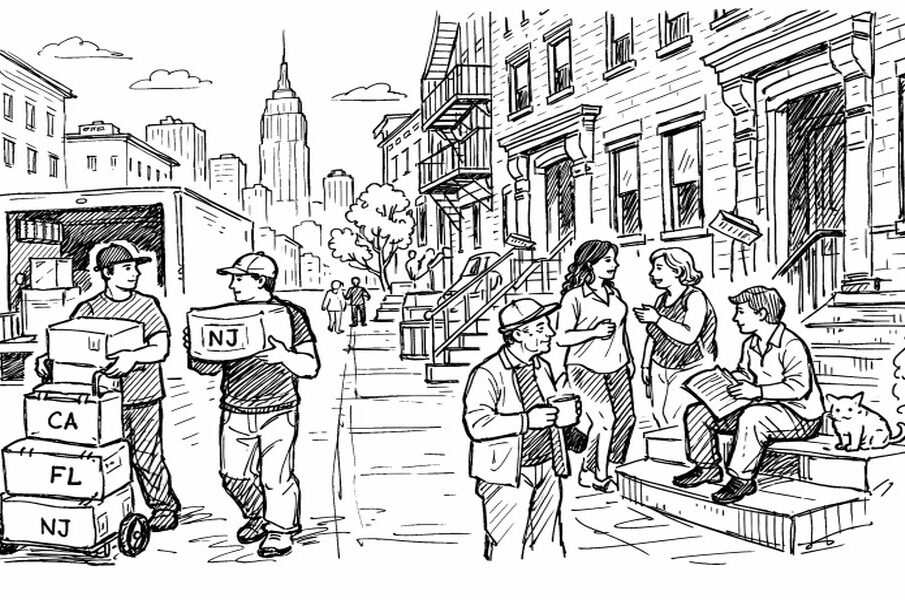
A defining trend in New York City’s current real estate cycle has been the influx of out-of-state buyers. According to recent industry analyses, nearly a quarter of all home sales in 2024 were to buyers relocating from outside New York. California, Florida, and New Jersey residents consistently lead this migration, driven by career mobility, lifestyle changes, and perceptions of long-term investment potential in the city.
This growing cohort of remote workers and investors is increasing demand across several neighborhoods, resulting in more competitive bidding and subtle shifts in neighborhood culture. For local residents, the impact has been mixed, creating new selling opportunities but adding complexity for first-time and move-up buyers facing stiffer competition.
Inventory Levels and Market Supply
After years of limited availability, 2026 brings notable improvements in inventory across much of New York City. Higher mortgage rates and changing economic forecasts have caused some homeowners to list their properties, resulting in a more balanced playing field for buyers. The increase in available homes is especially evident in previously tight segments like Brooklyn brownstones and Manhattan co-ops.
This expansion of inventory means buyers have greater choice and leverage than in recent years, although certain high-demand and prime locations still see swift transactions and premium pricing. The trend toward more listings could signal a gradual shift toward a more sustainable and accessible market, reducing the intensity of past bidding wars.
Affordability Challenges in the Housing Market
Despite the uptick in inventory, affordability remains a cornerstone issue in New York City real estate. Home prices have consistently outpaced wage growth, putting pressure on first-time buyers and middle-income families. City and state policymakers continue to debate strategies for expanding affordable housing, and buyers are increasingly exploring up-and-coming neighborhoods in search of better value.
Those facing affordability barriers often rely on creative financing, assistance programs, or partnerships to enter the market. The gap between incomes and property costs calls for systemic change and highlights the importance of comprehensive financial planning for all buyers.
Trends in the Luxury Real Estate Market
New York City’s luxury real estate continues to draw domestic and global buyers despite periodic market slowdowns. In the past year, Brooklyn’s median asking price for luxury homes reached a record $1 million. With limited inventory and sustained demand, the luxury sector demonstrates remarkable resilience, particularly in core areas known for historical charm, exclusivity, and proximity to top private schools or cultural institutions.
High-net-worth buyers value privacy, architectural excellence, and full-service amenities, factors that have insulated this segment against broader downturns. Demand for premier penthouses, landmark townhouses, and prestigious new developments is steady, and investors remain optimistic about long-term appreciation.
The Impact of Technology on Home Buying
The digital transformation of real estate continues in 2026, providing buyers with new tools and unprecedented access to market data. Innovative platforms empower consumers to assess properties at a granular level, including neighborhood amenities, political leanings, and even local pet ownership rates. Virtual tours and AI-powered search features streamline the process, helping buyers shortlist homes more efficiently and confidently.
For sellers and agents, technology offers enhanced marketing reach and data-driven strategy, ensuring listings are targeted, visible, and compelling. This evolution is reshaping how buyers and professionals interact, fostering transparency and more informed decision-making throughout the purchase journey.
Conclusion
New York City’s real estate market in 2026 is marked by adaptation and transformation. Out-of-state interest, greater inventory, and technology-driven transparency signal opportunity for buyers, while affordability and selective demand in the luxury sector present ongoing challenges. Navigating these shifts requires local insight and trusted expertise. By staying attuned to these trends, buyers, sellers, and real estate professionals are better positioned to succeed in one of the world’s most dynamic markets.


