
Lead Safe or Lead Free Before You Repaint an Older Home
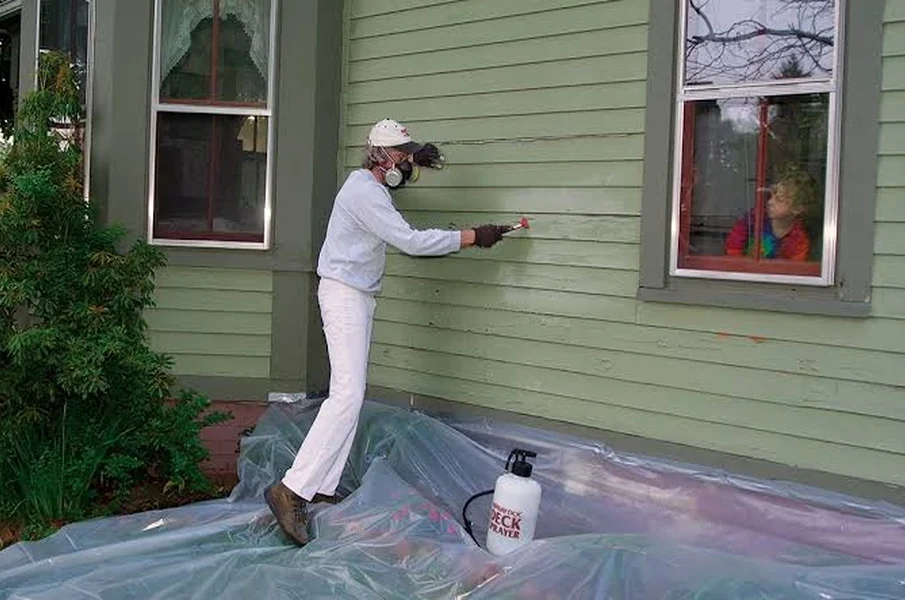
Plenty of Rhode Island houses have a window sash that sticks every spring, and under its many coats of paint there is very likely lead. Much of the housing in Providence, Warwick and Cranston went up before the 1978 ban on lead in residential paint, so repainting an old triple-decker or Cape is never only about picking a color. Crews like Good Deeds Painting & Renovating Inc. carry a state lead renovation firm license for this reason, and anyone planning to repaint a house that old eventually reaches the same fork in the road. You can make the paint lead safe, or you can make the house lead free.
The two phrases sound interchangeable, but they aren’t. The difference between them shapes your budget, your timeline, how much of the original house survives, and how often you’ll face the problem again.
Two Finish Lines That Look Identical From the Curb
Lead safe means the lead is still there but can no longer hurt anyone. The old paint is intact and sealed under sound coatings. The surfaces that rub or get bumped are corrected so they stop grinding paint into dust. A dust wipe test afterward confirms that floors and sills are clean. Rhode Island’s lead certificate for rental units is built on this standard, and it expires. A lead safe house stays safe only as long as the paint covering the lead holds up.
Lead free means the lead based paint is gone. It has been stripped, or the painted part has been removed and replaced with something new. This is the larger job, and it’s meant to be the last one.
From the sidewalk, both houses look freshly painted. The difference shows up over the next ten years.
Where the Dust Actually Comes From
Most people picture a toddler chewing a paint chip. In an ordinary home, the bigger danger is fine dust you can barely see, and it comes mostly from three kinds of surfaces.
Friction surfaces are places where two painted parts rub together. Old double hung windows are the classic case. Each time the sash slides, it sands a little paint off the jamb and leaves it on the sill.
Impact surfaces take repeated knocks. Door jambs, hallway baseboards and stair treads all fit here.
Chewable surfaces are edges a small child can reach with their mouth, such as windowsills and porch railings.
A lead safe job deals with these three first. A sticking sash might get new jamb liners so it stops rubbing. A door might be rehung so it no longer strikes its frame. A sill might get a cap or a tough coating. Walls in good condition are often just cleaned and repainted, because intact paint on a flat wall rarely sheds anything.
How Each Path Gets Done
A careful lead safe repaint follows a predictable order.
- The work area is sealed with plastic sheeting. Outside, the ground is covered well past the wall so scraped chips never reach the soil.
- Loose paint is removed by misting and wet scraping, never by dry power sanding without a HEPA attachment or by an open flame.
- Friction and impact problems are corrected, and bare wood is primed.
- The space is cleaned with HEPA vacuums and wet wiping, then checked before the plastic comes down.
This is more than good practice. The federal Renovation, Repair and Painting Rule requires certified firms and lead safe methods whenever paid work disturbs more than six square feet of painted surface in a room of a pre-1978 home, or more than twenty square feet on the exterior. A painter who shows up with a heat gun and a shop vac and skips containment is cutting corners you will end up living with.
Lead free work goes further. Full stripping uses chemical removers or controlled heat, which is slow and expensive on detailed trim. Component replacement swaps lead coated windows, doors or railings for new ones, often the quickest route for a badly worn piece. Either way, every lead painted surface in the scope has to be dealt with, not only the worn ones.
The Middle Ground Most Homeowners End Up In
Few old houses end up fully one or the other. A more typical result looks like this. The three worst windows are replaced. The stairwell gets an encapsulant, a thick coating made specifically to bond over lead paint, which is very different from ordinary latex. Paneling or drywall covers a badly cracked plaster wall. The rest of the house gets a careful lead safe repaint.
This mix often makes the most sense because cost rises steeply as you get closer to fully lead free. Stripping one ornate newel post can cost more than repainting a whole bedroom, while replacing a single failing sash can eliminate a large share of the dust problem at once.
What Tips the Decision One Way
Who lives in the house matters more than anything else. Children under six and anyone who is pregnant are the most vulnerable to lead, and families in that situation often decide to remove the main friction surfaces entirely instead of maintaining them for years.
How long you plan to stay matters too. If you’re selling within a few years, a well documented lead safe repaint with test results is usually enough, since buyers of older homes expect lead and mostly want proof it has been managed. If you expect to grow old in the house, paying once for removal can be cheaper than paying for upkeep again and again.
Owners of rental units have less room to choose. Rhode Island requires a Certificate of Lead Conformance for most pre-1978 rentals, issued by a licensed inspector after a visual check and dust testing, and it has to be renewed every two years or sooner when tenants change. Each renewal is another inspection, which is why many landlords replace windows to reduce what can fail next time.
Historic character also matters. Original windows with wavy glass and old growth wood can usually be restored to lead safe condition instead of thrown out, and Rhode Island’s preservation office points owners of historic houses toward that option before replacement.
Living With Whichever One You Choose
A lead safe house needs a little attention each year. Check windowsills in spring, wipe them with a damp cloth instead of dry dusting, and touch up any spot where paint starts to crack before it turns into dust. Keep the test results and contractor paperwork with your house records, because an inspector, a buyer or an insurer may ask for them.
A lead free house lets you stop worrying about the walls, though not entirely about the property. Decades of weathered exterior paint may have settled into the soil along the foundation, so if you plan a vegetable garden next to the house, test that soil before you plant anything.


