
Relaxed Straight Hair Extensions for Damaged Hair: What to Consider First
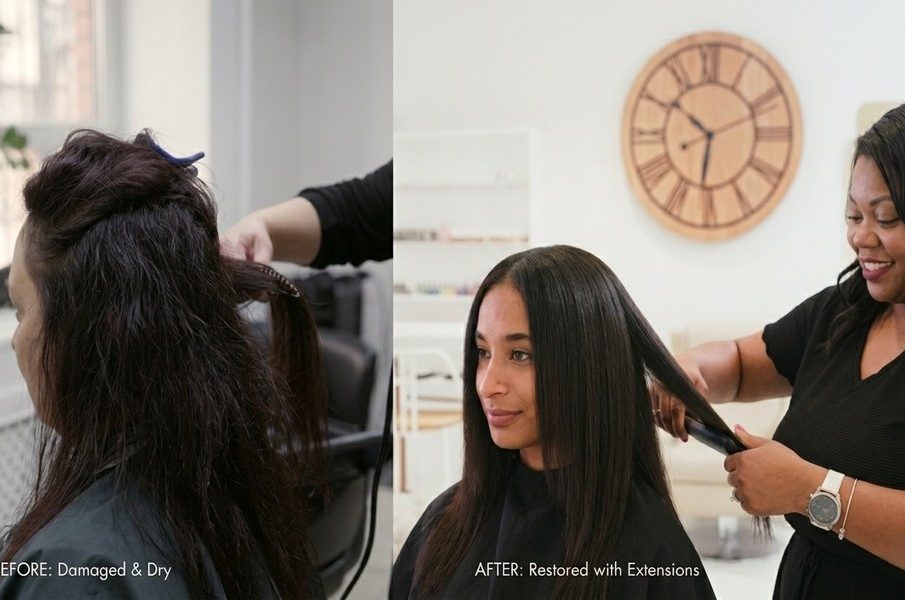
Damaged hair does not mean you can never enjoy a fuller, polished straight style, but it does mean your hair needs more thoughtful care before adding extensions. If your strands are weak, thinning, over-processed, shedding, heat-stressed, or breaking around the edges, the goal should not be to cover the problem with a new style. The goal should be to choose a look that supports your confidence while still protecting your real hair. For many Black women with relaxed hair, silk-pressed hair, or chemically treated textures, relaxed-straight extensions can offer softness, length, and volume without looking overly silky or unnatural. However, the method, weight, placement, and maintenance routine matter just as much as the texture itself.
Start With the Real Condition of Your Hair
For textured, natural, relaxed, or silk-pressed hair that is already showing signs of weakness,Relaxed Straight Hair Extensions should be considered only after you honestly assess your hair health. Look closely at your ends, edges, crown, and nape area. If your hair snaps easily when combed, feels dry even after moisturizing, or sheds more than usual, it may need repair time before any added hair is installed.
Damaged relaxed hair is often more fragile because chemical processing can weaken the strand over time. Heat styling, tight ponytails, rough detangling, and frequent color services can make breakage worse. Before choosing extensions for damaged relaxed hair, ask yourself whether your hair can handle extra weight, clips, thread, braids, or leave-out styling.
Helpful signs to check include:
- Thinning or sore edges
- Short broken pieces around the crown
- Dry, brittle ends that split easily
- A tender or itchy scalp
- Breakage after brushing, wrapping, or flat ironing
Protect Your Leave-Out, Edges, and Scalp
For textured or natural hair around the leave-out area,Relaxed Straight Hair Clip Ins can be a flexible option when used carefully and removed before sleeping. They allow you to add fullness for certain days without committing to a long-term install, but placement is everything. Clips should not sit directly on fragile edges, sore scalp areas, or sections that are already thinning.
Clip ins for relaxed hair should feel secure but never painful. If you feel pulling, pinching, or scalp soreness, remove them and adjust the placement. Wearing them too often in the same areas can cause repeated stress, so rotate sections and give your scalp regular breaks.
Your leave-out also needs special attention. Since relaxed or silk-pressed hair may be exposed to heat, humidity, and daily styling, keep it moisturized and protected. Use a light leave-in, avoid excessive flat ironing, and wrap the hair gently at night. If blending requires too much heat every day, the style may not be the best match for your current hair condition.
Choose a Gentle Method Over a Heavy Style
When your hair is already breakage-prone, the safest-looking style is not always the safest option. A heavy sew-in, tight install, or bulky extension set can create unnecessary tension on weak strands. This is why low-tension hair extensions are often a better direction for women who want fullness without putting too much stress on the scalp.
The extension method should match your hair’s current strength. Some women may do better with temporary pieces they can remove at night, while others may need a professionally installed style with very careful tension control. If your edges are fragile, avoid styles that pull the hairline back tightly or require constant smoothing with heat.
Also, consider texture and density. Hair that is too silky may make relaxed or textured leave-out look more noticeable, which can lead to over-flat-ironing. Hair that is too heavy may pull on weakened roots. A softer relaxed-straight texture with natural movement can give a more believable finish while reducing the urge to manipulate your real hair every day.
Know When Your Hair Needs a Break First
Hair extensions for breakage-prone hair should never be used to ignore serious damage. If you are experiencing sudden shedding, bald spots, severe thinning, scalp pain, or breakage that keeps getting worse, pause before installing anything. In those cases, it is better to speak with a licensed stylist, trichologist, or dermatologist to understand what your hair and scalp need first.
Sometimes the healthiest choice is a short recovery season. That may mean deep conditioning consistently, trimming split ends, reducing heat, avoiding chemical touch-ups for a while, or choosing loose, low-manipulation styles. Extensions can be beautiful, but healthy hair should always come before a temporary look.
If your hair is strong enough for added hair, keep your routine simple and protective. Moisturize your natural strands, avoid tight styling, cleanse your scalp regularly, and remove temporary pieces before bed. Hair extensions for Black women with damaged hair should support the overall routine, not replace it.
Healthy Hair Tips to Remember
A relaxed-straight look can be elegant, soft, and confidence-boosting, but damaged hair needs patience. Before choosing extensions, check the health of your strands, the strength of your edges, and the comfort of your scalp. If anything feels painful, too tight, or too heavy, it is not worth the risk.
The best choice is one that blends naturally, feels lightweight, and allows your real hair to rest. Focus on gentle styling, proper placement, moisture, and regular breaks. When hair health comes first, you can enjoy a fuller straight style while still protecting the strands underneath.


