
Handling Your Pond Through Every Season
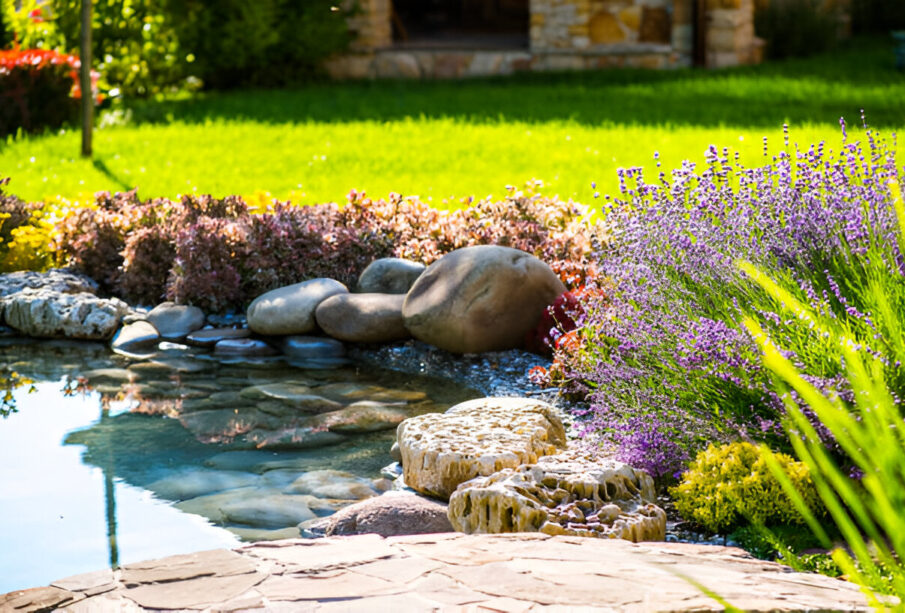
Caring for a pond is not universal. As the seasons change, so do your pond’s needs. Because of spring cleanouts and winterizing actions, particular issues can arise in your water garden, depending on the season.
Agreeing with a well-established pond company such as That Pond Guy can make the difference as the pond will smoothly change with the year. This is a useful enough guide to keep your pond happy year after year.
Spring Care: The Seasonal Wake-Up
Spring is when your pond starts coming back to life, and it is the perfect time to kick off preventive maintenance.
- Water Testing is essential. Following months of rest, monitor ammonia, nitrites, nitrate, and pH levels and identify any imbalance.
- Thorough Cleaning eliminates the leftovers of winter sludge, leaves and other organic matter that could provide algae fuel.
- Check Equipment such as pumps, filters, and liners and replace or fix them as early as possible to check any damage due to ice.
- Re-seed Your Biofilter with good bacteria to re-establish biological balance.
- Renew Landscaping by pruning dead plants and replacing them with new aquatic plants to compete with algae naturally.
Summer Pond Maintenance: Handling Peak Activity
As the temperatures rise, there is increased pond life activity and so do problems.
- Enhance Aeration as warm water retains less oxygen. Include in its waterfalls, fountains, or air stones to maintain oxygen levels.
- Monitor Water Levels closely. Top off with dechlorinated water regularly because summer heat augments evaporation.
- Naturally Controlling Algae Growth: beneficial bacteria, barley straw, and even shading plants.
- Time Fish Feeding to early morning or evening when cooling temperatures allow easier digestion.
- Beware of predators such as herons or raccoons. Install netting if needed to keep fish safe.
Autumn Prep: Setting the Stage for Winter
When temperatures drop, it is time to wind down and get your pond ready.
- Install Leaf Netting to avoid the fall foliage that decomposes and alters the water quality.
- Slow Down Feeding and transition to wheat germ-based food as water drops below 55°F.
- Trim Plants and remove dying vegetation to reduce decomposing material in the water.
- Service Equipment including filters and pumps. Cold-specific equipment can be required.
- Water Change 20-30% Partial refreshes the system prior to cold weather.
Winter Pond Care: Keeping It Safe in the Cold
Winterize your pond in a few simple steps.
- Stop Feeding Fish altogether when water is below 50°F, when the fish goes into low metabolism.
- Keep Open Water with an aerator or floating de-icer so that gas exchange proceeds.
- Keep Sensitive devices such as UV clarifiers inside.
- Make weekly water level checks during freeze-thaw to avoid damaging the liner.
- To aid in sludge and waste accumulation off-season, incorporate Cold-Water Bacteria.
When to Call a Pro

Some pond care can be done on your own, but emergencies may need a pro if there is:
- Ongoing water quality issues
- Equipment breakdowns or complex installations
- Health problems among your fish
- Complete pond cleanouts or redesigns.
That Pond Guy is giving you bespoke seasonal work so that your pond is always at its best and their expert care easy and accessible.


