
Essential Steps for a Successful Septic Tank Installation
Key Takeaways
- Proper planning and site evaluation are crucial for the success of a septic system.
- Permits and adherence to local regulations protect the environment and avoid legal issues.
- Professional design and installation ensure reliability and system longevity.
- Routine maintenance and inspections prevent premature failure and repair costs.
Installing a septic tank is a significant investment in your property’s infrastructure, and doing it right is key to ensuring health, efficiency, and legal compliance for years to come. Whether you’re building a new home or replacing an old system, understanding the process can help you avoid costly mistakes and streamline the experience. Before getting started, it’s wise to research local providers experienced in septic tank installation to ensure you receive knowledgeable guidance from the outset.
The planning and installation of a septic system must follow local codes, environmental requirements, and careful assessment of your property’s features. With professional assistance and proper maintenance, a quality installation protects water quality and keeps your household running smoothly.
From initial site evaluation to ongoing care, each step is essential to guarantee your investment pays off for decades. Septic system issues can be disruptive and expensive, but addressing them early and making strategic decisions sets the groundwork for a trouble-free system that meets your needs.
In addition to initial installation, don’t overlook regular inspections and maintenance. A trusted septic inspection service helps identify potential issues before they become significant problems, ensuring your septic system runs efficiently and safely.
Conduct a Comprehensive Site Evaluation
The first step to a reliable septic installation is a detailed site evaluation. Professionals will analyze your property for several key elements:
- Soil Testing: A percolation test, also known as a “perc” test, determines how quickly your soil can absorb and filter wastewater. This essential step confirms the soil’s suitability, helping prevent water contamination and system overload.
- Topographical Assessment: Inspectors evaluate land elevation and slope to design a system that promotes proper flow and drainage while avoiding surface and groundwater contamination.
These tests not only fulfill regulatory requirements but also form the basis for system layout, size, and location, ensuring efficiency and compliance from the start.
Obtain Necessary Permits and Adhere to Regulations
Septic systems are closely regulated by local health and environmental authorities to protect groundwater and public health. Before you break ground, obtain all required permits from health departments or environmental agencies. Adhering to these regulations from the outset prevents costly rework or penalties later. Schedule official inspections at key construction milestones to confirm proper installation and compliance.
Design the System with Professional Assistance
A custom-designed septic system accommodates your household’s needs while accounting for your property’s specific features. Professional designers consider:
- Household size, number of bedrooms, and estimated water usage.
- Soil type, site geometry, and regulations regarding distance from wells, property lines, and water bodies.
- Future needs, such as home additions, may change wastewater demand.
Investing in professional design ensures that the system is both robust and efficient, reducing the risk of drain field failure, backups, and contamination. According to Family Handyman, DIY septic installations can easily fall short of code or design standards without expert guidance.
Prepare the Site for Installation
Site preparation lays the groundwork for smooth and safe installation. It usually involves:
- Clearing the Site: Removal of trees, rocks, and debris to open up space for excavation.
- Locating Utilities: Identifying and marking underground utilities helps prevent accidental disruptions and enhances site safety.
- Access for Equipment: Ensuring that trucks and machinery can easily reach all relevant areas to avoid unnecessary delays or damage.
Careful preparation allows for efficient work and minimizes the risk of environmental disturbance or construction setbacks.
Install the Septic System Components
This step involves several critical procedures:
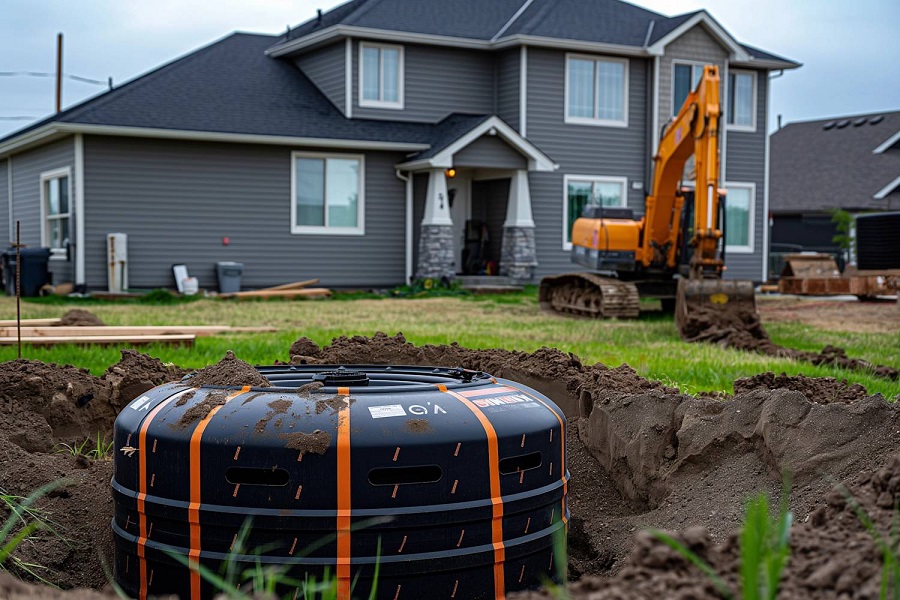
- Excavation: Digging designated trenches or pits for the septic tank and drain field, following the approved system design.
- Tank Placement: Setting the septic tank securely on a level, well-prepared base ensures proper orientation and prevents shifting.
- Piping and Drain Field: Laying and connecting pipes from the house to the tank and distributing pipes within the drain field for even wastewater dispersal.
- Backfilling and Grading: Backfilling with care to avoid displacing or damaging system components, followed by grading the soil to direct surface water away from the tank and field.
Proper installation at each stage determines the system’s flow, filtration, and ultimately, its longevity.
Conduct System Testing and Final Inspection
After installation, rigorous testing ensures the system is water-tight and functions as designed:
- Flow Testing: Water is introduced to confirm proper gravity flow through each pipe and chamber.
- Leak Testing: All joints, connections, and tank sections are checked for leaks or weak points that could threaten performance.
Local officials typically require a final inspection before backfilling to certify that all work meets code and permit requirements. Only after this approval should you complete covering the system.
Plan for Regular Maintenance
A well-installed septic system only thrives with consistent upkeep. Key maintenance practices include:
- Routine Pumping: Scheduling service every 3–5 years based on usage to remove accumulated solids and prevent overload.
- Water Conservation: Using efficient fixtures and spreading out laundry or heavy water usage to avoid sudden overloads.
- Mindful Waste Disposal: Avoid flushing wipes, hygiene products, fats, chemicals, or medications that damage bacterial balance or clog lines.
Proper maintenance protects your investment and ensures reliable wastewater treatment over the decades. For more information on safe septic practices, the NRDC’s “Septic Systems 101” offers a comprehensive overview.
Educate Household Members
Effective septic care is a household effort. Ensure that all family members and long-term guests are aware of which items should never be flushed or poured down the drain. Teach water-saving habits and explain the role of regular pumping and inspections. When everyone is on board, system longevity and performance are greatly improved.
Following these essential steps not only ensures the reliable function and durability of your septic system but also safeguards your property and the local environment. Professional advice, routine maintenance, and ongoing awareness are fundamental for every property owner relying on a septic solution.


