
A Homeowner’s Guide to Keeping Hot Water Flowing All Year in Youngstown
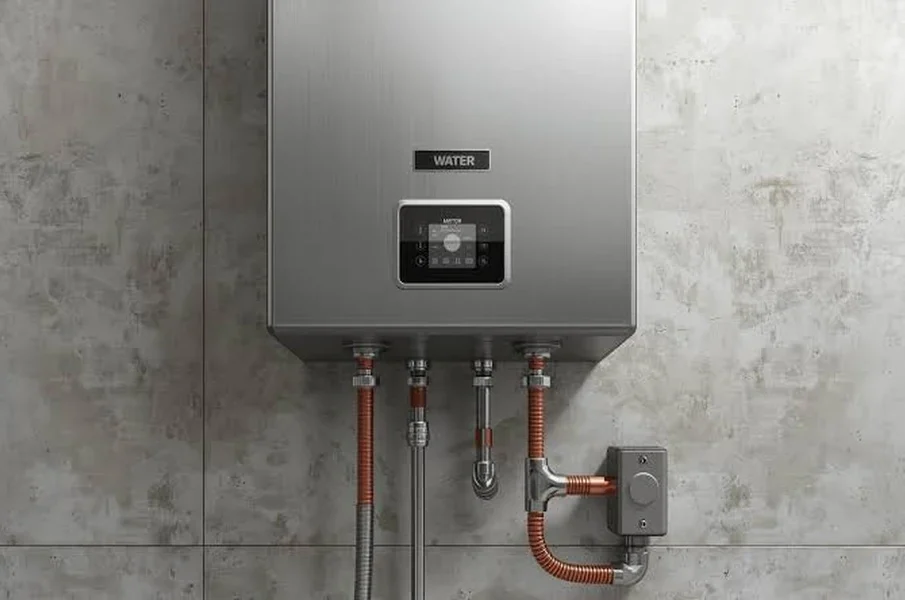
Hot water supports showers, laundry, dishes, and cleanup. A heater may lose performance before it stops. Simple checks can reveal changes in temperature, pressure, sound, or color. This guide explains how households can support reliable hot water all year in Youngstown.
Start With a Service Plan in Youngstown
A steady routine helps reveal wear before hot water fails. Water heater repair in Youngstown may be needed when temperatures shift, leaks appear, or recovery slows. A plumber can inspect the tank, valves, power source, and pipes. This review aids accurate diagnosis and keeps the service plan focused.
Keep the model number, installation date, warranty, and invoices in one file. These details help a technician identify parts. A yearly appointment can include safety checks. For homes in Youngstown, that record makes future decisions easier.
Watch for Early Trouble Signs
Changes in hot water deserve attention while the unit still works. Lukewarm water may point to a thermostat, element, burner, or sediment issue. Popping sounds can suggest mineral deposits at the tank base. Rust-colored water may indicate corrosion.
Small leaks also require an immediate response. The U.S. Environmental Protection Agency (EPA) notes that household leaks waste an average of 10,000+ gallons of water per year per home. Moisture near a relief or drain valve may stem from excessive internal pressure or failed seals, while pooling water beneath the tank threatens subflooring and structural materials. Consulting a licensed plumber at the first sign of moisture or noise can prevent catastrophic water damage and expensive emergency replacements.
Reduce Sediment and Check Key Parts
Minerals can settle inside a tank and affect heat transfer. Periodic flushing may help improve efficiency, though older units need a professional review first. The anode rod, drain valve, and pressure relief valve need checks. Each part supports safe operation.
A Useful Annual Service Checklist
A service visit may cover these tasks:
- Inspect the tank and pipe connections for corrosion or moisture
- Test temperature controls and the pressure relief valve
- Review venting, burner condition, or electrical components
These checks help households in Youngstown spot wear early. They reveal worn parts. Water heater repair in Youngstown can then address a clear fault. A service summary adds context for the next appointment.
Match Demand With Heater Capacity
A heater must support the household’s peak demand. Back-to-back showers, laundry, and dish use can empty a small tank quickly. A sudden rise in demand may resemble a mechanical fault. Tracking shortages helps separate capacity limits from repair needs.
Temperature settings affect comfort, energy use, and safety. A plumber can check the control for the unit. Pipe insulation may help limit heat loss in exposed areas. This can support steadier delivery through cold periods in Youngstown.
Know When Replacement Makes Sense
Age, repair history, tank condition, and energy use shape the decision. A newer unit with one failed part may remain a sound repair candidate. Repeated faults or tank corrosion can point toward replacement. A professional assessment helps clarify the options.
Replacement offers a chance to review fuel type, tank size, and space. Standard tank and tankless models suit varied use patterns. Proper installation protects connections, drainage, ventilation, and temperature control. Those details matter for year-round hot water in Youngstown.
Reliable hot water starts with attention to small changes. Records, routine checks, sediment control, and prompt service support the system. A clear maintenance plan can reduce surprise outages in Youngstown. Timely action keeps a minor fault from becoming a major disruption across every season of use.