
How Mosaic Tiles Improve Safety and Style on Shower Floors
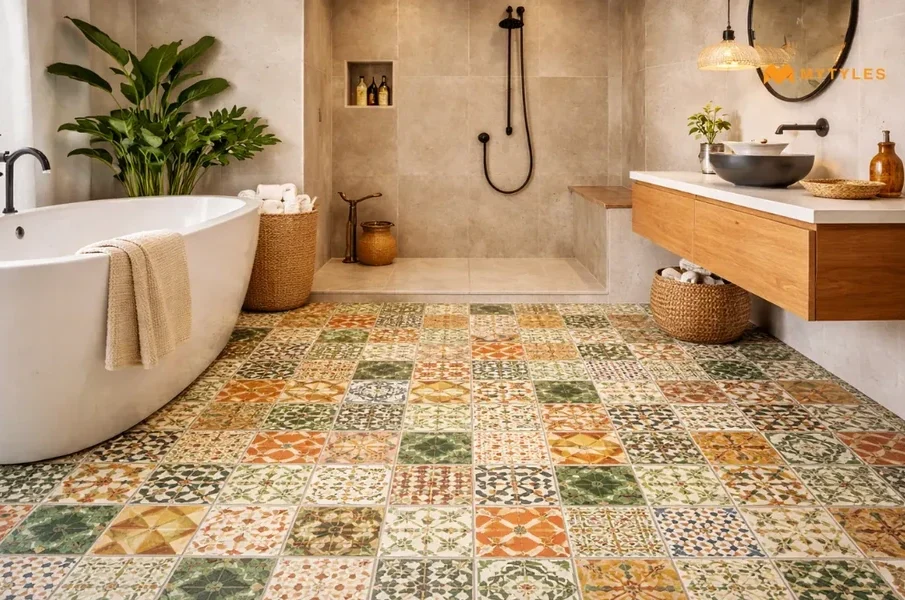
Step onto a shower floor lined with mosaic tiles and you’ll instantly sense the difference. It’s not just a visual upgrade; it’s a smarter, safer choice designed to meet the unique demands of wet environments. Mosaic tiles have long been seen as decorative, but their benefits go far beyond looks.
Myth 1: Mosaic Tiles Are Just Decorative, Not Practical for Safety
Showers are notorious slip zones. Wet feet, soapy surfaces, and the confined space of a small bathroom can spell disaster if the flooring isn’t thoughtfully selected. This is where mosaic tiles excel. Their smaller format means more grout joints, which translates to more grip underfoot. This built-in traction helps prevent slips, a critical advantage over large-format tiles, especially in areas that are always wet.
Matte or textured mosaic finishes push the safety factor even further. These surfaces feel subtly rougher to the touch, giving your feet a secure, confident grip.
Myth 2: Large Tiles Always Look More Stylish and Modern
Trends come and go, but balance is timeless. Oversized tiles like 24×48 inches create the illusion of unbroken, luxury surfaces, when space and substrate allow. Yet, in most small bathrooms, these slabs are impractical and can even make the room feel cramped if forced into too tight a footprint.
A 12×24 tile strikes a perfect harmony. It gives a modern, seamless look with fewer grout lines, while being easier to install around obstacles like vanities and toilets. Mosaic tiles, on the other hand, shine on the shower floor, both visually and functionally. Used together, large on the main floor and walls, small in the wettest zone, they create a cohesive, designer finish that works with, not against, the limitations of the space.
If you’re debating which format truly delivers, check expert advice on the best size tile for a small bathroom. Laying out your options with sightlines and scale in mind can make all the difference.
Myth 3: Mosaic Tiles Are Hard to Maintain Because of Many Grout Lines
More grout joints might sound like more work, but modern materials change the game. High-performance epoxy grout, for example, is far less prone to staining than old-school cement-based options. Choosing grout in a shade close to your tile color also means stains and soap scum blend in, preserving a spa-like calm.
Maintenance routines become simpler, too. Gentle, regular cleaning with a soft brush or mop keeps mosaic floors looking fresh. For persistent residue, a mild, pH-neutral cleaner is your secret weapon.
Myth 4: Mosaic Tiles Are Difficult to Install and Don’t Work on Sloped Surfaces
Shower pans must slope toward the drain to prevent pooling, and not every tile is up to the challenge. Large tiles resist bending, which makes them bad choices for angled surfaces. In contrast, mosaics naturally flex to follow the shower floor’s pitch, ensuring full contact and avoiding the rocking or cracking that can happen with bigger formats.
Prep is just as critical as tile choice. A flat, well-primed substrate paired with waterproofing membranes lays the groundwork for a flawless result. Seasoned installers use proper thinset and set the mosaics with even pressure so every piece bonds tightly and moves with the floor’s contours.
Myth 5: Using Mosaic Tiles Limits Design Flexibility
Think mosaics are creatively limiting? Not at all. Patterns, borders, and color blends allow for endless options. Lay mosaics in herringbone, chevron, or custom layouts to add a signature flair. Pairing with larger tiles offers striking transitions, drawing the eye through the space and accentuating sightlines, an especially powerful trick in compact rooms.
Seamless transitions from the main bathroom floor to the shower pan are easily achieved with subtle shifts in pattern or color, enhancing both safety and style.
Myth 6: Bigger Tiles Reduce Slip Hazards Better Than Smaller Tiles
It might seem logical that fewer grout lines mean less slipping, but the opposite is true in wet zones. The science is simple: more grout lines provide more friction. Smaller mosaics (usually around 2×2 inches or less) break up the floor into dozens of micro-surfaces, each bordered by slip-resistant grout.
In real-world bathrooms, mosaic tiles consistently outperform large tiles on wet shower floors, both in slip resistance and durability.
Myth 7: Tile Choice Alone Determines Bathroom Safety and Style
Even the best tile can fail if laid over uneven or poorly prepped surfaces. True safety and beauty rely on solid basics: flat substrates, waterproof membranes, quality thinset, and careful, professional installation. These invisible steps make the difference between a flawless finish and a frustrating, potentially hazardous shower.
Successful projects also consider how the bathroom is used. High-traffic homes, busy mornings, and modest footprints all benefit from practical choices like mosaics in the shower and larger tiles elsewhere. When coordinated thoughtfully, your tile selection enhances both daily comfort and long-term value.
In the end, mosaic tiles aren’t just a style choice. They’re a smart, safe investment for your shower floor, expertly blending beauty with the kind of performance that matters most in real life.


