
How do THCA vapes differ from regular vape pens?
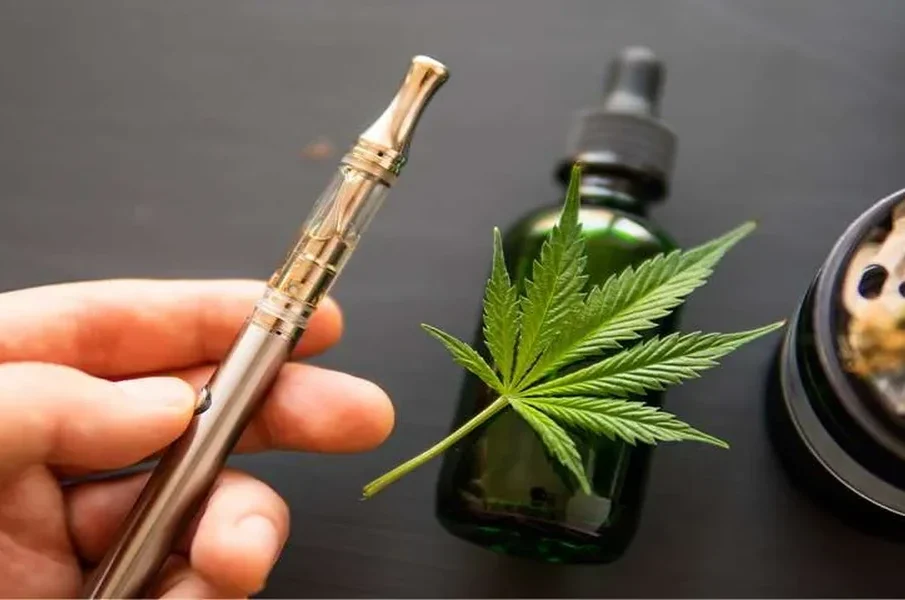
THCA vapes differ from regular vape pens in that the oil sits inside the chamber rather than the hardware around it. Devices built around thca vapes carry oil in its acidic, unconverted form that activates during the draw itself, while regular pens hold oil where the active compound already exists in its final state, ready from the first puff. This single difference ripples outward into heating requirements, storage behaviour, flavour character and even how the oil looks when held against light, giving each category its own recognisable personality despite outwardly identical designs.
Chemical starting point
Oil inside a THCA focused device begins in a raw acidic state that remains inactive until heat transforms it during the draw itself. Conventional pens skip this step because their oil went through activation during production, long before filling ever happened. Heat inside the THCA device therefore performs double duty, both creating vapour and completing the chemical conversion in the same instant. Devices tuned for this task often run tighter temperature control since incomplete conversion wastes material while excess heat degrades it. Users rarely notice this machinery working, though the engineering behind it explains why purpose-built hardware tends to outperform generic pens when paired with acidic oil formulations.
Heating requirement contrasts
Temperature demands separate the two categories in ways that shape hardware design decisions directly.
- Activation threshold – THCA oil requires reaching a specific conversion point before any active vapour forms during the draw.
- Preheat functions – Many devices in this category include warming cycles that prepare denser oil before the first pull begins.
- Voltage flexibility – Adjustable output appears more often here since conversion efficiency changes noticeably across temperature ranges.
Coil materials follow the same logic, with ceramic elements favoured for their gradual, even warmth that completes conversion without scorching the delicate acidic structure before vapour forms.
Oil appearance differences
THCA formulations often show a lighter, sometimes crystalline quality, while conventional oil appears as a uniform amber liquid flowing smoothly regardless of conditions. Anyone who has compared both side by side recognizes the category almost immediately from this visual character alone. Crystallization inside a THCA cartridge signals authenticity rather than a defect, since the acidic compound naturally solidifies when concentration runs high and temperatures drop. Gentle warming returns everything to liquid form without harming quality in any measurable way.
Session experience variations
Draw character diverges between categories once vapor actually forms. THCA devices frequently deliver a fresher, more flower-adjacent flavour since conversion happens at the moment of inhalation rather than weeks earlier during production. Conventional pens provide steadier predictability from the first puff, appealing to users who value uniformity over character. Onset timing feels similar between both types, though many users describe the vapour texture itself as noticeably different, with acidic formulations producing a smoother initial impression on the throat during longer sessions.
Both categories share batteries, wicks and mouthpieces, yet the oil chemistry inside pushes each toward distinct engineering choices and user experiences. Recognizing what actually sits in the chamber matters far more than anything printed on the outside of the device, and buyers who grasp this difference tend to choose hardware suited to their oil rather than the other way around.